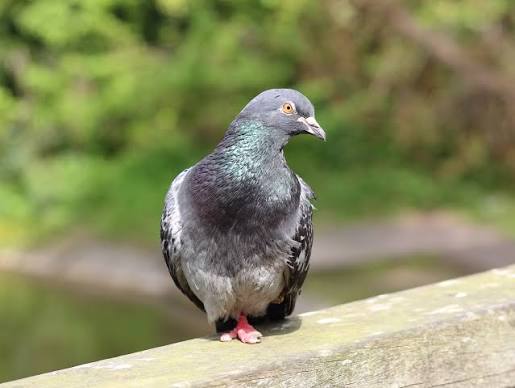
When we think about animals used in film and television, dogs, cats and horses might immediately spring to mind. But sometimes a production calls for something a little more unusual and pigeons can be surprisingly versatile animal performers.
From historical dramas and period films to advertising, music videos and atmospheric city scenes, pigeons can bring authenticity and character to a production. However, working with birds on set requires specialist knowledge, careful preparation and, above all, a strong focus on animal welfare.
Why use pigeons in film and television?
Pigeons are familiar birds that are instantly recognisable to audiences. They can help create a believable urban environment, particularly when a scene is set in a city, town square, railway station or other public location.
They can also be used for specific actions or visual moments, such as:
- Walking or flying through a scene
- Perching on a person or prop
- Feeding
- Moving between designated areas
- Flying from one location to another
- Appearing in background action
- Creating atmosphere in period or historical productions
- Taking part in advertising and photographic shoots
For productions set before the modern era, pigeons can also be useful for adding authenticity. Domestic and racing pigeons have a long history of association with people, including their use as messenger birds.
Pigeons are not just ‘background birds’
It can be tempting to think of pigeons as easy animals to work with because they are common in towns and cities. However, there is a significant difference between filming wild pigeons and working with trained birds.
Professional animal talent should be accustomed to being handled and transported safely and should have experience of working around people, equipment and unfamiliar environments.
A trained pigeon can be prepared for specific behaviours, making it far more suitable for a controlled production environment than simply attempting to attract wild birds to a set.
Training pigeons for the camera
Like many animals, pigeons can be trained using positive reinforcement.
Training might involve teaching a bird to:
- Return to a handler
- Move to a particular location
- Perch on a designated object
- Remain in a specific area for a short period
- Respond to a visual or environmental cue
- Fly between known points
- Become comfortable around props and equipment
Training needs to be built around the individual bird. Some pigeons may be confident and curious, while others may be more easily unsettled by unfamiliar surroundings.
The objective isn’t to force an animal to perform. Good preparation allows the bird to understand what is expected and gives the production the best opportunity to capture the required shot without unnecessary pressure.
The importance of preparation
Preparation is particularly important when filming with birds.
Before a shoot, an animal talent professional should consider the location, weather, noise levels, lighting, equipment and the number of people likely to be present.
A bird that is comfortable in a familiar training environment may react differently when faced with a busy film set containing cameras, tripods, lighting, sound equipment, crew members and actors.
Where possible, the production requirements should be discussed well in advance so that the animal can be prepared for the environment.
Working with pigeons on set
Film sets can be busy and unpredictable places. This makes communication between the animal handler and production team essential.
A designated area should be available where the birds can be safely housed between takes, away from unnecessary noise and activity.
The animal handler should also be able to make decisions about whether a bird is comfortable enough to continue working.
If a pigeon becomes stressed, frightened or tired, the appropriate response is to stop or modify the activity rather than attempting to force the behaviour.
Weather matters
Pigeons may be adaptable birds, but filming conditions still need to be considered carefully.
Extreme heat, cold, heavy rain and strong winds can all affect whether birds can safely participate in a shoot.
Outdoor filming should therefore include consideration of:
- Temperature
- Wind
- Rain
- Access to shade
- Access to fresh water
- Safe transportation
- Suitable rest areas
- The length of time the birds will be on location
Animal welfare should always take priority over getting the perfect shot.
What about noise and special effects?
Noise can be particularly relevant when working with birds.
Sudden loud sounds, pyrotechnics, smoke effects, large pieces of moving equipment or unexpected activity can frighten animals. These elements should be discussed with the animal handler before filming.
If a scene involves potentially stressful effects, the production should consider whether the bird needs to be present at all. Sometimes the safest solution is to film the animal separately and create the final sequence through editing.
Pigeons and actors
If a pigeon is required to interact with an actor, the actor should be briefed before filming begins.
They may need to understand how to hold or approach the bird, where to position their hands and how to respond if the bird moves unexpectedly.
The animal handler should remain responsible for the bird throughout the shoot.
This is particularly important when a production requires a pigeon to perch on an actor, prop or piece of set dressing. The safety of both the bird and the person should be considered beforehand.
Real birds versus CGI
There are situations where CGI may be the better option. However, real animal talent can provide a level of natural movement and unpredictability that is difficult to replicate digitally.
A flock of pigeons taking flight, a bird moving naturally through a location or a pigeon reacting to its environment can add genuine atmosphere to a scene.
The decision should always be based on what is safest and most appropriate for the production.
Why use an animal talent agency?
For producers and production companies, arranging animal talent through an experienced agency can make the process considerably easier.
A professional animal talent agency can help identify suitable birds, discuss the requirements of the scene, advise on preparation and coordinate with production regarding the animal’s needs.
This is particularly valuable when a production requires a specific behaviour rather than simply having pigeons appear in the background.
Planning a shoot involving pigeons?
If you’re planning a film, television programme, commercial, photoshoot or other media project involving pigeons, it’s worth discussing the requirements as early as possible.
Tell your animal talent agency exactly what you need the bird to do, where filming will take place, how long the animal will be required and whether there will be actors, crowds, vehicles, special effects or other potentially distracting elements.
The more information provided before the shoot, the better the animal can be prepared.
Pigeons can be fantastic animal talent
Pigeons might be familiar sights on our streets, but that doesn’t mean working with them on a film set is straightforward.
With appropriate training, careful preparation, experienced handling and a welfare-first approach, pigeons can make fascinating and effective animal performers for film, television, advertising and photography.
At The Animal Talent, we understand that every production has different requirements. Our approach is to match productions with suitable animal talent while putting the welfare and comfort of the animals first.
If your next production needs a pigeon, whether for a single photograph, a commercial or a major film project, get in touch with The Animal Talent to discuss your requirements.