Exploring the Rise of Bearded Dragons as Beloved Pets and Media Icons
In recent years, a curious creature has been steadily climbing the ranks of popularity in the UK pet scene – the bearded dragon. With their distinctive appearance, gentle demeanour, and fascinating behaviours, these unique reptiles have captured the hearts of pet enthusiasts the world over. But why are bearded dragons so popular? We will answer that question in this article.
We’re seeing that bearded dragon acting jobs are on the rise as these lizards increasingly make their mark in the media and popular culture.
Statista states that in 2024, nearly 2% of all UK households own lizards as pets. That may sound like a tiny amount, but considering there are nearly 19 million households in the UK, in actual fact this equates to 376,000 lizards. Not to be sniffed at, at all!
It stands to reason, then, that this should be reflected in popular culture. Interestingly, some directors and producers have already fallen in love with the popular lizard and the bearded dragon has appeared in TV series such as My Name is Earl and films such as Little Fockers, Nim’s Island, Your Highness, Holes and Zookeeper.
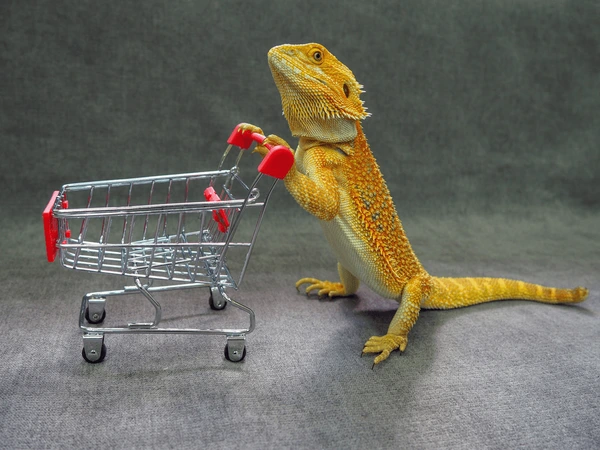
Here we delve into why bearded dragon acting jobs are becoming more common, as these lizards become such sought-after pets and why we should see more bearded dragons on TV, in media and in popular culture.
Captivating Personalities and Gentle Demeanour
Whether at home or seen in a TV advert, bearded dragons, known for their friendly disposition and calm temperament, make delightful companions for reptile enthusiasts of all ages. They truly have universal appeal. Unlike some other reptile species, bearded dragons are renowned for their docile nature and tolerance for being handled, making them ideal pets for families and first-time reptile owners. Their curious personalities and gentle demeanour endear them to their human caregivers, fostering strong bonds and lasting connections.
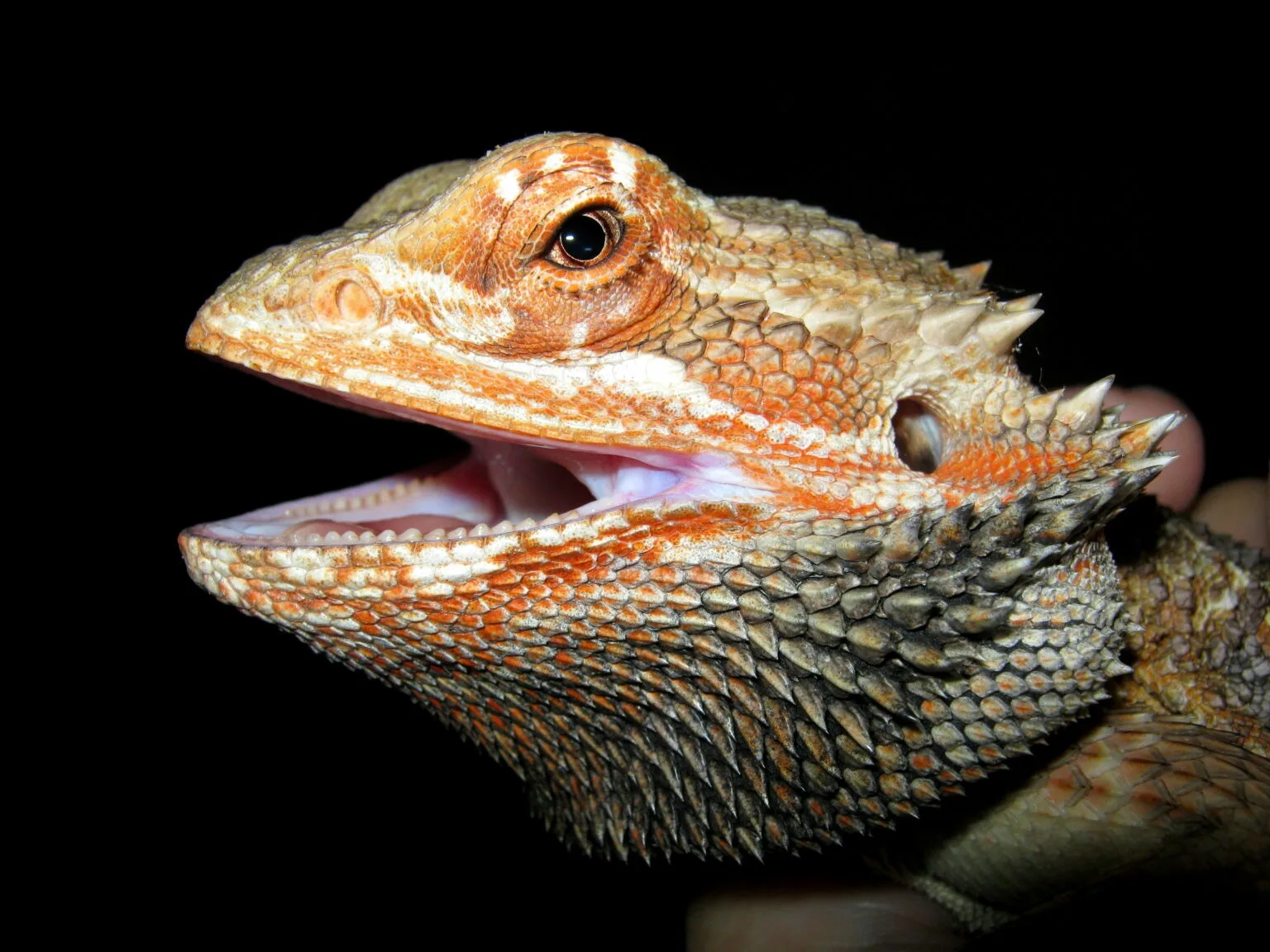
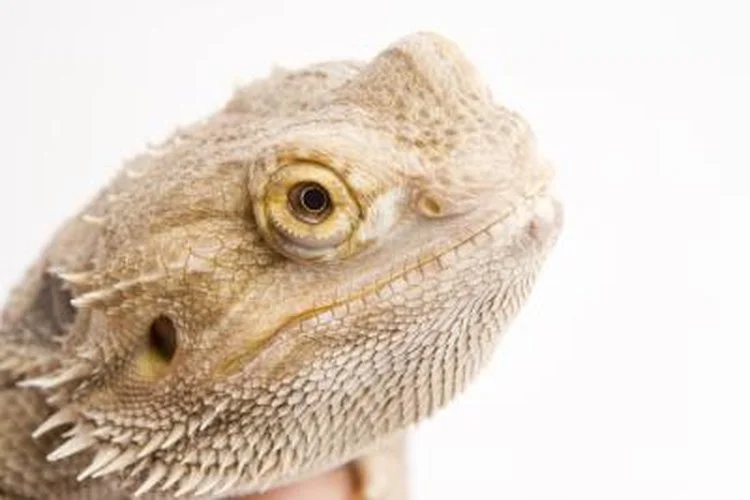
They also have great visual appeal; their funny-shaped heads and large eyes that can follow you around a room are fabulous to witness. This pet lizard is well known for giving the appearance of the “side eye” and this amuses fans worldwide.
Interestingly, the bearded dragon can also change the colour of his or her beard! See the pictured example below. If you hire a bearded dragon for an advert or have one as a pet and you see black bearding, this can be for a number of reasons; primarily though, a bearded dragon does this to express his distaste for something or when he is sad or angry or even during mating displays.

Another common behavioural display you’ll see if you have a bearded dragon for a job or as a pet includes head bobbing, which can look rather comedic. When the bearded dragon is trying to either assert dominance or display submission, or if they’re a little frustrated, they display their emotions by bobbing their head up and down! Head bobbing is also sometimes displayed during mating season. Check out the video below for an example.
Bearded dragons have an omnivorous diet and need high temperatures and appropriate lighting, just as they would have in their native home of central Australia. It’s fascinating to observe the natural behaviours of a bearded dragon, and people absolutely love this personable animal.
In a working environment, your animal talent agency can provide these resources and requirements, taking the pressure off directors and producers. Reptile enthusiasts train bearded dragons, so do speak to our herpetologists and lizard experts if you’re interested in working with bearded dragons in an advert or on any creative project.
Educational and Therapeutic Value
Beyond the normal entertainment roles or jobs, bearded dragons offer educational and therapeutic benefits beyond their role as pets and working animal models. The unique biology and behaviour of these reptiles provide opportunities for hands-on learning and scientific exploration, making them popular subjects in educational programmes and interactive exhibits at live events, which we also provide at The Animal Talent. Charities like Pets in the Classroom give good advice on the learning opportunities bearded dragons provide in schools.
Additionally beyond the entertainment and adverts, interactions with bearded dragons have been shown to have therapeutic effects on individuals with autism, ADHD and other developmental disorders, fostering a sense of calmness and connection.
Interestingly, they’ve been popping up more in therapy sessions, especially those tailored for children with autism or ADHD. In a 2024 case study that gained a lot of attention, a young boy who had previously struggled with sensory overload was noticeably calmer when interacting with a bearded dragon during weekly animal-assisted therapy. His mum called the change “transformational”.
It’s no wonder more directors, teachers and parents are turning to these lovable lizards.
Visual Appeal and Iconic Status
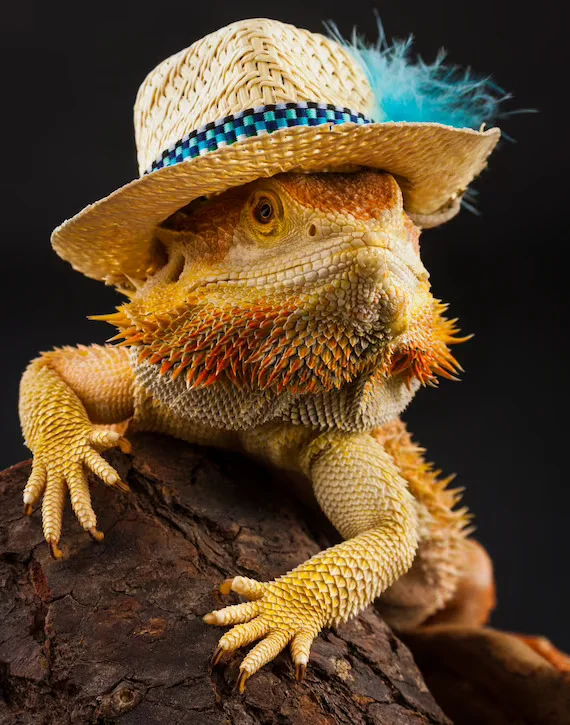
With their striking appearance and distinctive features, bearded dragons possess a visual appeal that lends itself well to media and popular culture; they have a comical appearance that is often referred to as “derpy”.
Their spiky beard, expressive eyes and colourful patterns make them instantly recognisable and memorable characters in visual storytelling. Bearded dragons come in a variety of colours depending on their “morph” (i.e., colour and patterning) and breeding history.
From children’s books and cartoons to video games and adverts, bearded dragons have the potential to captivate audiences and leave a lasting impression as iconic cultural symbols.
And let’s not forget their growing fanbase online. TikTok and Instagram are full of viral clips of these magnificent lizards doing everything from wearing tiny sunglasses to munching on raspberries. Their quirky personalities shine in a way that resonates with people, whether it’s for laughs, comfort or education.
Advocating for Reptile Welfare and Conservation
Featuring bearded dragons in the media and popular culture can also raise awareness about reptile welfare and conservation efforts. By casting bearded dragons in jobs that paint them in a positive light, we can dispel myths and misconceptions surrounding reptiles and promote responsible pet ownership.
Additionally, highlighting the natural habitats and conservation challenges when showcasing bearded dragons in the media can inspire action and support for conservation initiatives aimed at protecting their native ecosystems.
SCALING UP!
Bearded dragons have emerged as beloved pets and cultural icons in the UK, thanks to their captivating personalities and visual appeal.
By showcasing bearded dragons in adverts, media and popular culture, we can celebrate their unique qualities, raise awareness about reptile welfare and conservation and inspire future generations to appreciate and protect these remarkable creatures.
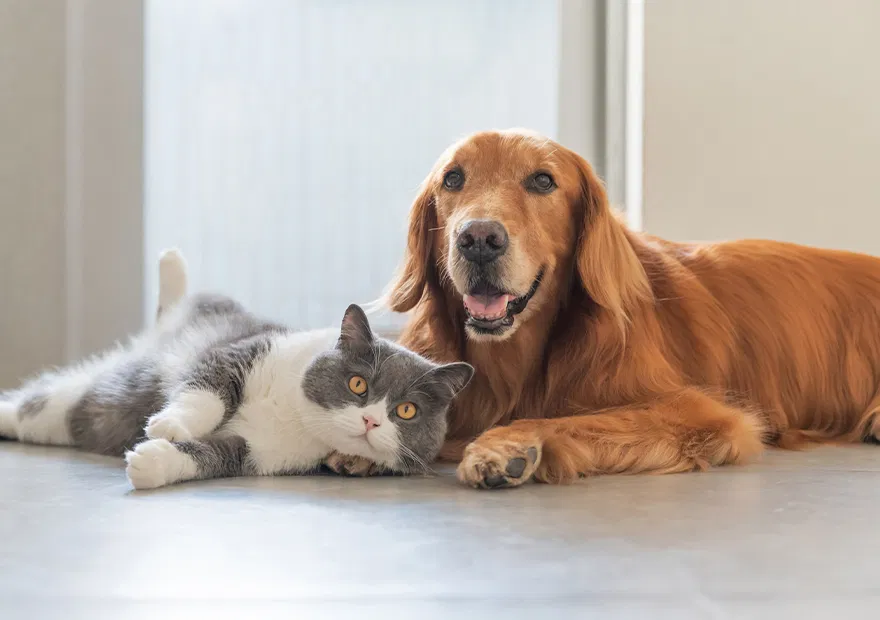
By normalising bearded dragons, reptile lovers and herpetologists worldwide will be delighted; it’ll be nice to get a bit of the limelight when often cats and dogs get all the attention! They’re a really special reptile that is loved universally.
Let’s shine a spotlight on bearded dragons and amplify their voices in the media and popular culture for all to see and enjoy. To meet some of our bearded dragons and other reptiles, check out our talent page.
Contact our friendly and professional team to hire a bearded dragon today.